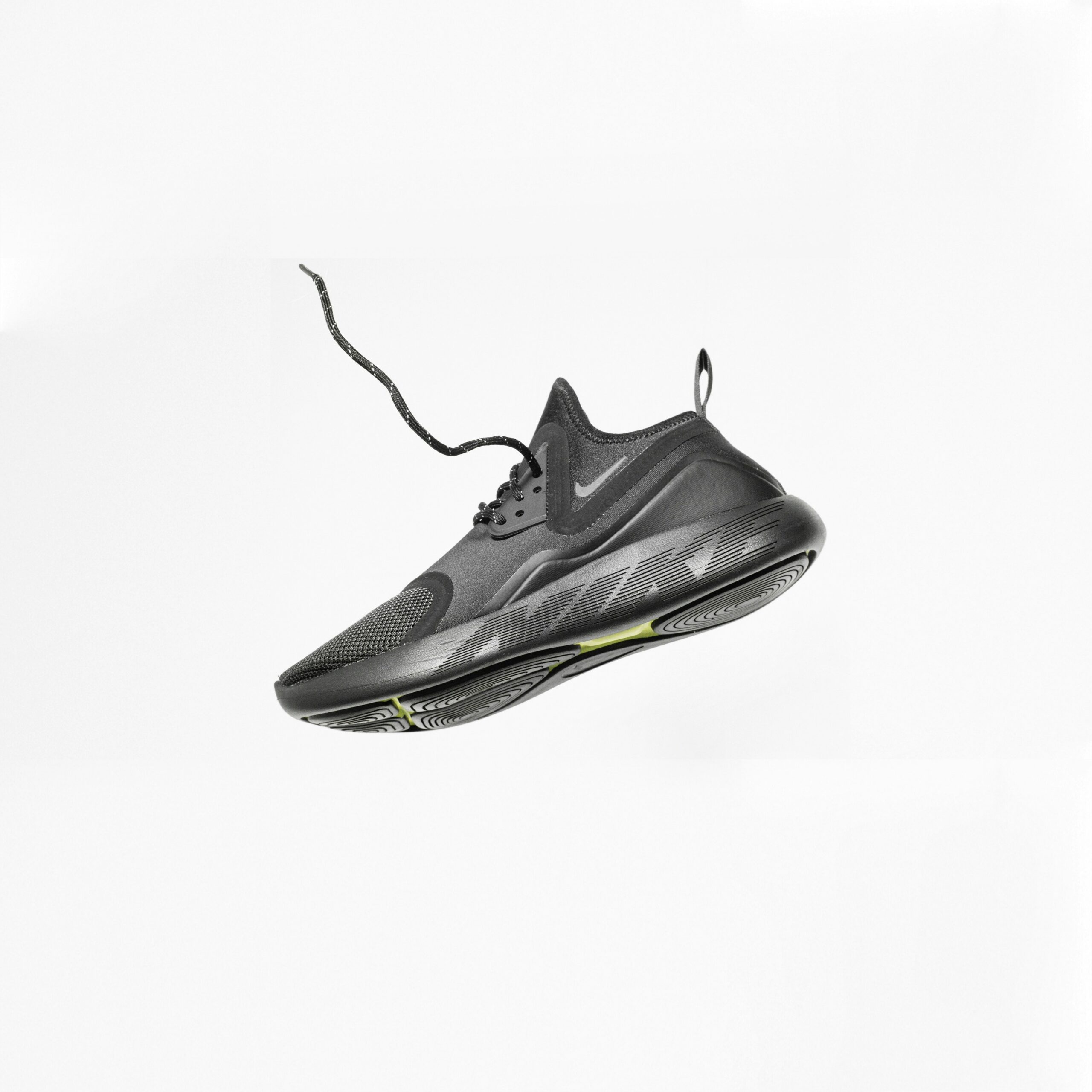
Choosing the right running shoes can be the difference between enjoying your run and dealing with blisters, shin splints, or knee pain. With so many brands and models available, it helps to understand what actually matters when picking a pair.
First, know your foot arch type. Step on a wet surface and look at your footprint. A flat footprint means you have low arches and need stability shoes. A footprint with a narrow middle means high arches, and you should look for cushioned shoes with more flexibility. A moderate curve means neutral arches, and most neutral running shoes will work well for you.
Second, consider the surface you run on most often. Road running shoes have flat soles for pavement, while trail shoes have deeper treads for grip on dirt and rocks. Finally, always try shoes on at the end of the day when your feet are slightly swollen, and leave about a thumb width of space between your longest toe and the front of the shoe. Replace your running shoes every 400 to 500 miles to maintain proper support.